
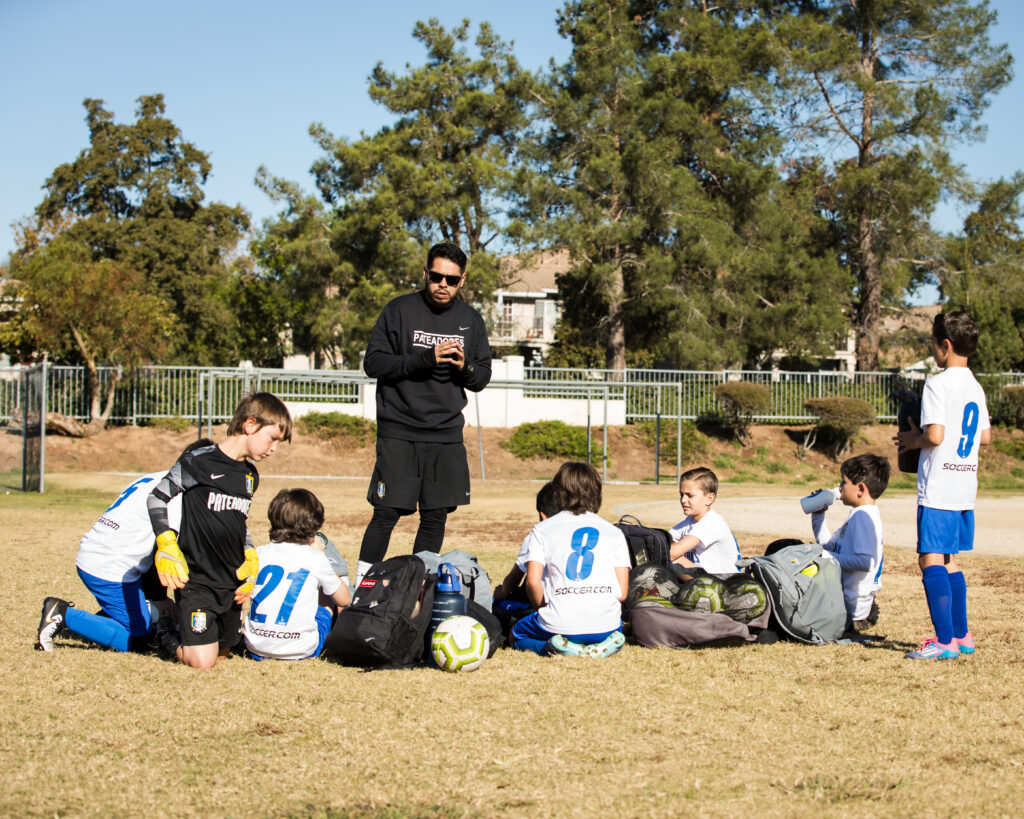
We all love to see our kids succeed — to watch them score the winning goal, receive the coach’s praise, or walk off the field with their heads held high. But if we’re being honest, those moments, as sweet as they are, don’t always build the kind of athlete — or person — who’s ready for what it takes to access long-term success.
So what really does? What are the kinds of things that our kids need to experience to be successful when it counts, when it really matters? Things that are uncomfortable for the kids and often damage parent egos. Youth sports is hard, but it is classroom for young athletes to become older athletes, if coaches and parents take away the experiences that the player truly needs to grow, they have done everyone a disservice.


At Modern Soccer Parent, your voice matters. Help us understand what’s working, what’s not, and how we can better support the soccer journey — take our quick survey today!
Failure. Struggle. Discomfort. Rejection. Challenge.
Those are the ingredients that shape the kind of players who thrive in high school, push through college, and even — for the few who make it — break into the professional level. And yet, too often in youth sports, we protect our kids from those very experiences that could help them the most. Let’s talk about why failure isn’t just okay — it’s necessary. And why we, as parents, need to embrace the idea that challenges early and often are what are needed if we truly want to support our kids’ long-term growth.1. Early Comfort Is a Development Trap
It’s easy to keep a young player in an environment where they’re dominating every game. Who wouldn’t want to watch their child be the star? But being the best player on the field at age 9 or 11 or even 13 doesn’t predict anything about what they’ll be at 16 or 18. In fact, it can do the opposite. When players never struggle, they never develop the tools to respond to adversity. They never have to adapt. They never get pushed. And they never learn that it's okay — even necessary — to lose sometimes. What does that lead to?- Kids who quit the moment it gets hard.
- Kids who can’t handle not starting or not making the A team.
- Kids who peak early and burn out before they ever face real competition.
2. Challenge Builds Grit — and Grit Wins
Angela Duckworth said it best: Grit — passion and perseverance for long-term goals — is what predicts success more than talent, intelligence, or any natural gift. You can’t learn grit without failure. When a young player gets cut from a top team, or makes a crucial mistake in a game, or goes five matches without a goal, feels like the winning goal is scored on them at the end of a game, it hurts. But if they keep showing up, keep training, and keep believing in themselves, they’re developing the mental toughness that every great athlete needs. As parents, our job isn't to remove the obstacle. It's to help them see that they’re capable of overcoming it.
3. Failure Teaches Ownership
When players are challenged at a young age, they start to take ownership of their development. They realize that playing time isn’t guaranteed. That just being on the team isn’t enough. That if they want to get better, they have to work — outside of training, on their own time, without someone holding their hand. This is especially important in a sport like soccer, where creativity, anticipation, and intelligence on the field can’t be spoon-fed by a coach. Failure is feedback. Failure tells a player where they need to grow. It invites them to reflect, adjust, and improve. And most importantly, it puts the responsibility in their hands — not on the coach, not on the ref, not on the other players.4. The Goal Isn’t to Dominate at Young Ages — It’s to Compete Later
Youth soccer isn’t about collecting trophies. It’s about preparing players to compete at the next level. That could mean high school varsity, college recruiting, or simply being confident and strong in life. But no matter how you slice it, winning a trophy at age 10 is not the goal. That path is paved by deliberate challenge — by surrounding players with teammates who push them, coaches who demand more, and matches that stretch them. If a player isn’t struggling at all, they’re not learning enough. And the best time to start learning that lesson is young. Because the older they get, the harder it is to adapt. Failure at age 9 stings. Failure at age 17, with a college dream on the line, can crush a player who’s never had to fight through adversity before.
How to Embrace Failure as a Soccer Parent
- Choose development over dominance: It’s okay if your child’s team loses games — what matters is whether they’re being pushed and learning.
- Support effort, not outcome: Praise their work ethic, attitude, and response to setbacks — not just the goals or wins.
- Normalize struggle: Talk about failure as part of the process. Share your own stories of falling short and how you grew from it.
- Encourage ownership: When things don’t go well, don’t rush to blame others. Ask your child, “What can you do differently next time?”