

Investing in Players is the key to long term success as a coach and the great coaches look at players in just that way, investments. The best way to invest in a player is to be positive as a coach. If you've spent any time on the sidelines of a youth soccer game, you've likely heard a mix of encouragement, instructions, and (unfortunately) unwarranted criticism from coaches and parents. While feedback is a crucial part of player development and the cornerstone of coaching, the way feedback is provided to players is just as, if not more important than the feedback itself. A coaching providing feedback to a player in the wrong way can have a profound impact on a young (up to College age) athlete’s confidence, motivation, and long-term success in the sport.
To often, I have heard coaches claim that players are soft, need to toughen up, or don't work hard enough and for some players that may be true, but for the vast majority, that is typically a sign that the coach is not doing their job correctly. If you have one player that can't hack it on a team, that is likely on the player, but when a team ends up with 2 or 3 or even more under performers, that is a coaching issue. Investing in players and positive coaching is the path to team, player and coach success.

Investing in Players
Great coaches don’t just teach players—they invest in them, and that investment is often the difference between a kid who survives soccer and one who thrives in it. When a coach consistently shows belief, encouragement, and personal care, players begin to feel safe taking risks, making mistakes, and pushing beyond their comfort zone—because they know they won’t be punished for learning. That sense of security builds confidence, and confidence fuels effort, creativity, and long-term development. Investment also creates trust: when athletes believe their coach genuinely wants them to succeed, they listen more, compete harder, and stay committed when things get difficult. In youth sports, where players are still forming their identity, a coach’s words and tone can shape how they see themselves—not just as athletes, but as people. Ultimately, a coach who invests in players creates an environment where growth is possible, resilience is built, and the love for the game lasts far beyond the final whistle.
Disposable Players?
The opposite of investment is disposability—and when a coach treats players like they’re only as valuable as their last mistake, the damage spreads fast. Benching a player the moment they mess up doesn’t teach accountability or improvement; it teaches fear. Players stop taking risks, stop playing freely, and start making “safe” decisions that limit development because they’re more focused on avoiding punishment than learning the game. Confidence erodes, anxiety rises, and eventually the joy disappears. That mindset also hurts the team: it creates a culture of tension where teammates hesitate, blame each other, and lose trust, because everyone knows one mistake could cost them. Even the coach pays the price—because a fearful team rarely grows, rarely bonds, and rarely performs at its best over time.
Soccer is a game of constant mistakes, adjustments, and learning in real time; when a coach punishes mistakes instead of guiding them, they don’t build tougher players—they build hesitant ones, and in doing so, they limit both the team’s potential and their own effectiveness as a leader.

The Science of Positive Coaching
Research has long supported the idea that positive reinforcement is more effective than negative feedback when working with young athletes. Studies in sports psychology recommend a 5:1 or even 10:1 ratio of positive comments to corrective feedback for optimal player development. According to Dr. John Gottman’s research on relationships and communication, a 5:1 ratio of positive to negative interactions is critical to maintaining strong relationships—a concept that applies not only in regular relationships, but also in coaching (Gottman & Silver, 1999).
Similarly, sports psychologist Jim Thompson, founder of the Positive Coaching Alliance (PCA), has emphasized the importance of the "Magic Ratio"—a high number of positive reinforcements for every piece of constructive criticism. This ensures that athletes remain engaged, motivated, and open to learning, rather than shutting down in response to negativity (Thompson, 2009).
What Happens When Coaching is Too Negative?
Despite the evidence, many coaches still fall into the trap of being overly critical, focusing only on mistakes rather than reinforcing good habits. This type of coaching style can lead to:
- Decreased Confidence: Players who constantly hear negative feedback start to doubt their abilities, which can lead to hesitation and fear of making mistakes.
- Loss of Enjoyment: Soccer should be fun, especially for young players. When coaching is filled with negativity, kids often lose interest in the game.
- Increased Anxiety and Stress: Youth athletes who feel they can never meet their coach’s expectations may experience performance anxiety, leading to worse decision-making on the field.
- Higher Dropout Rates: A study by the National Alliance for Youth Sports found that 70% of kids quit organized sports by age 13, with the primary reason being that it's "no longer fun." A harsh coaching environment is a major contributor to this statistic (NAYS, 2016).
How to Implement a Positive Coaching Approach

A positive coaching approach does not mean 'joysticking' players—constantly directing their every move from the sideline. Instead, it involves building their confidence and decision-making skills by reinforcing positive behaviors and allowing them to learn from mistakes in a supportive environment.
- Catch Them Doing Something Right – Instead of focusing only on mistakes, acknowledge and reinforce positive behaviors. A simple “Great effort tracking back!” or “Nice first touch!” goes a long way.
- Be Specific with Praise – Instead of generic praise like "Good job!" try, "I loved how you used your body to shield the ball just now—that was perfect technique!"
- Use the Sandwich Approach – If correction is needed, sandwich it between two positives: “Your hustle was fantastic! Next time, try to angle your body differently for a better shot. Keep up that energy!”
- Encourage a Growth Mindset – Praise effort and resilience, not just talent. Statements like “I love how you kept working even after that turnover” build perseverance and confidence.
The Bigger Picture
The long-term impact of a positive coaching style extends beyond soccer. Players who develop confidence and decision-making skills through encouragement are more likely to take initiative, adapt to challenges, and develop a lifelong love for the game. In the short term, coaches who adopt this approach will notice better team cohesion, improved game-time decision-making, and players who remain engaged and receptive to coaching. Remember, negativity and constant correction without praise has never built great players or teams, it only breaks confidence and stifles growth.
At the end of the day, youth soccer isn’t just about winning games—it’s about developing kids into confident, resilient, and passionate individuals who love the sport. Coaches who prioritize positive reinforcement over criticism create environments where players thrive, stay engaged, and continue to grow. The wins will follow a positive coaching environment, there is no doubt, so if you want to build a winning culture, focus on the positive and not the negative.
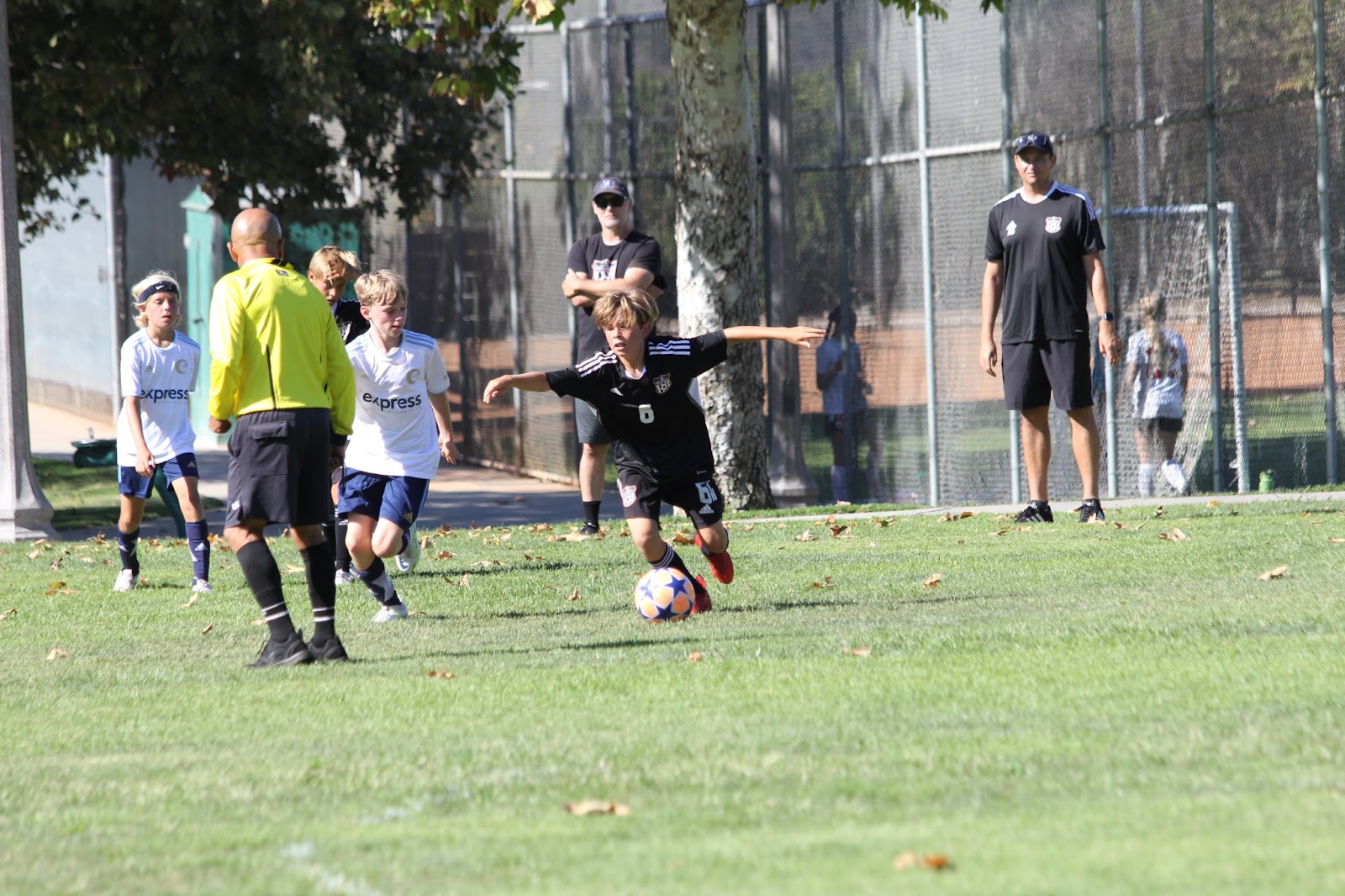
The next time you're on the sidelines or leading a training session, remember: your words matter. Strive for 5 to 10 positive comments for every correction, per player, and watch how your players respond. They’ll play harder, smile more, and most importantly—love the game.
References:
Gottman, J. & Silver, N. (1999). The Seven Principles for Making Marriage Work. Three Rivers Press.
Thompson, J. (2003). The Double-Goal Coach: Positive Coaching for Winning and Life Lessons. HarperOne.National Alliance for Youth Sports. (2016). "Why Kids Quit Sports." nays.org
Please check out our entire Modern Soccer Parent section of the website here.
Please Subscribe Below!
Your Subscriptions matter - if you like the content you see - please subscribe so you don't miss anything. This blog is a labor of love, so if you like the content - please share the link and stop by the page regularly.
Follow us on Instagram and Facebook
www.instagram.com/modernsoccerparent
Facebook - @moderndadtopics or @californiafacups

As an Amazon Associate I earn from qualifying purchases made by you via the Amazon link. These potential earnings make this website possible.