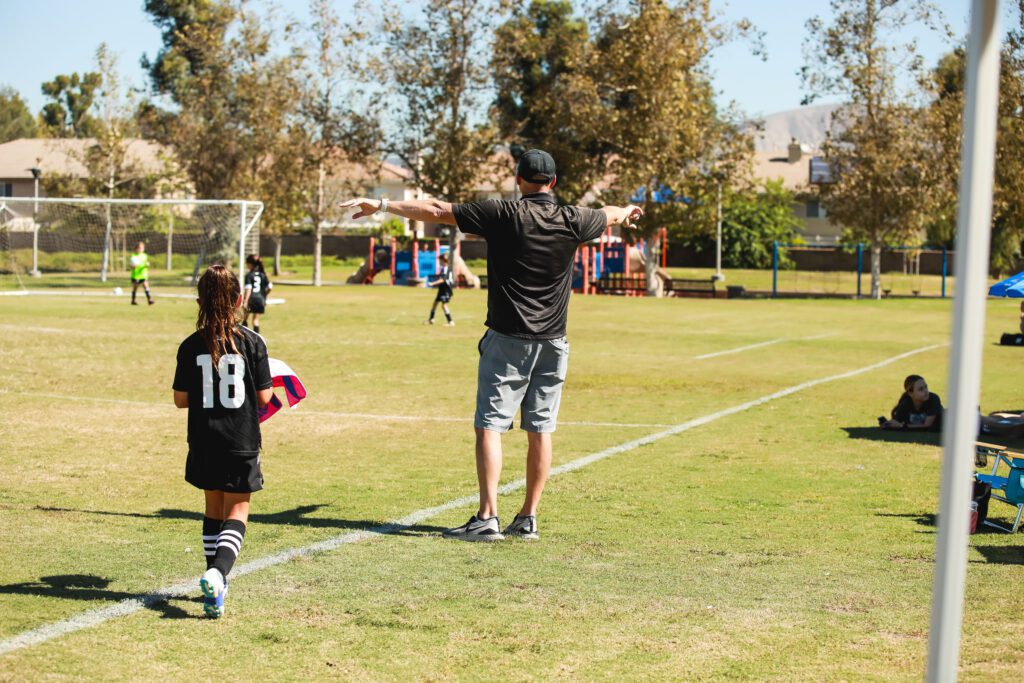
How many times have parents shown up at a game, only to see a coach talking to the players who isn’t their usual coach?
Parents are left wondering what happened and often become frustrated right away, especially when they weren’t informed about the coaching change. (Reminder: parent energy can affect your player—check out our related article about How Parent Anxiousness Can Impact a Young Soccer Player’s Performance)
In youth soccer, coaching conflicts are inevitable. Most coaches manage multiple teams, and leagues don’t always consider those scheduling overlaps. Life also happens—illness, emergencies, or other obligations can pull a coach away. Having a guest coach is simply part of the youth soccer experience.
That said, it’s the primary coach’s responsibility to do everything possible to ensure the guest coach and team are fully prepared for success. The handoff process can’t be rushed, vague, or left undone.
If you're a coach asking someone to step in, especially for age groups with specific rules (like U9–U12), there are a few important things to cover. Today’s modern soccer parents expect a lot from coaches, and preparation for a guest coach is not something that should be left to chance.
Set your team up for success.


1. Gaming Circuit Specifics
Start with the basics. Many guest coaches work across multiple age groups, so they need clarity on what game format they're walking into. For example, if you're coaching a younger team with specific rules, you'll want to include:- 7v7 or 9v9? Be specific about your format. U11 is often 9v9.
- No heading rule – Players are not allowed to intentionally head the ball. Indirect free kick for violations.
- Build-out line – Used to encourage playing out from the back. Keeper cannot punt; defenders must retreat behind the line on goal kicks.
- Offside begins at the build-out line, not the halfway line.
- Substitutions – Usually allowed on any stoppage, but check league-specific rules.
- Game length – Include total time and half lengths (e.g., 2 x 30 minutes).
2. Starting Lineup and Positional Roles
List your starting lineup along with primary and backup positions for each player. Help the guest coach understand:- Who can play multiple roles
- Who should stay in a core position (e.g., your primary center back or goalkeeper)
- Who may need short shifts due to fitness or focus
3. Set Piece Assignments
Be clear about who typically takes the set piece kicks, not introducing another variable is important:- Corners (left side vs. right side if it varies)
- Direct free kicks (and if you allow shots at this age)
- Indirect kicks
- Penalty kicks (if allowed in the league)
- Throw-ins – Include if anyone is a long-throw specialist
4. Warm-Up Routine
Guest coaches want to start the session on the right foot—literally. Let them know:- When players are expected to arrive (e.g., 45 minutes before kickoff)
- Who leads the warm-up (e.g., “Team captain Ava usually starts the dynamic warmup and passing pattern”, or is it a coach, or sometimes even a parent)
- What is the warm-up? (e.g., light jog, dynamic movements, dribbling, rondo, shooting, set pieces)
5. Captain(s) and Leadership Roles
If your team has a designated captain or rotating captains, tell the guest coach who it is and what they do:- Do they lead the coin toss?
- Do they check in with the ref?
- Are they expected to keep the team organized on the field?
6. Player-Specific Notes
Bullet point player details so the guest coach knows what to expect:- Injuries or recovery plans
- Confidence challenges
- Positional preferences
- Any behavior red flags or tips
- Isla (#7) – Creative winger, needs freedom to dribble. Encourage 1v1s.
- Ruby (#10) – Central midfielder, excellent passer. Needs verbal praise to stay confident.
- Zoe (#4) – Learning to play CB. Struggles when under pressure—pair with a vocal player.
7. Subbing Strategy and Playing Time
Clarify your subbing style:- Do you aim for equal time?
- Are certain players rotating more due to injury or ability?
- Do you sub at fixed intervals (every 7–10 minutes)?
8. Parent Dynamics and Sideline Support
If there are sideline dynamics to be aware of, mention them. No guest coach wants to be caught off guard by a vocal parent or misunderstood playing time issue. The Guest coach should be introduced to the manager early in the week, and you want to ensure that the manager has the guest coach’s coaching card.9. Game Plan and Tactical Focus
If the team has been working on a concept in training (e.g., switching the field, spacing, pressing triggers), let the guest coach know so they can reinforce it. Don’t overload them with strategy. Keep it simple:- “We’re focused on spreading the field and using width.”
- “Encourage switching sides when stuck on one flank.”
- “Players have been learning to press in pairs up top—let them try it.”
10. Post-Game Expectations
Let the coach know how to wrap up:- Should they give a post-game message?
- Does the team do a cheer or cooldown routine?
- Do they need to report the score or send a recap to anyone?