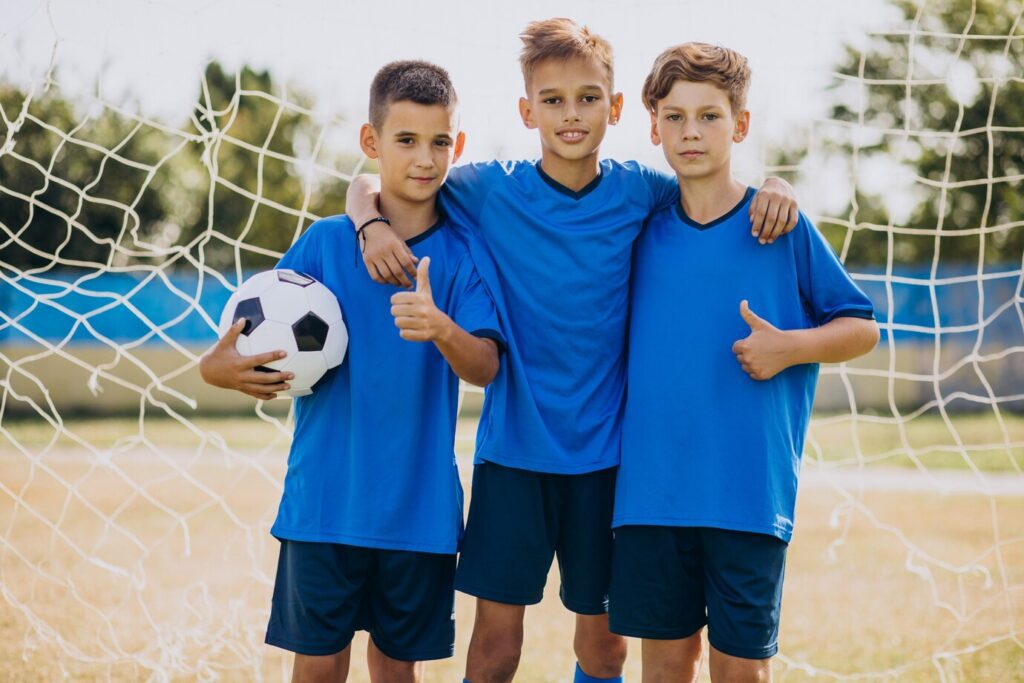
It has happened a lot of players, they show up at a training session, tryout, pick up game, or practice and they have the wrong size ball. Sometimes this because they grab a sibling's ball, other times because they are transitioning ages and don't know about the ball size change, or just folks are new to soccer and don't know that there are different sizes. Choosing the right size soccer ball can make a big difference in your child's soccer experience. Whether your player is just starting out or already competing at a high level, using the correct ball size will help them build skills, confidence, and a lifelong love for the game. As players often struggle when changing ball sizes, being aware of when the change will occur, can help manage the transition.
Here’s everything parents need to know about soccer ball sizes — plus a quick guide you can reference anytime!
Tip: Even if your child is "age-eligible" for a bigger ball, it’s perfectly fine to use a smaller size for individual training. Practicing with a smaller ball can improve footwork, touch, and control! If you transition to a league where the players play 7v7, you will likely use a size 4 ball. Check with your coach for the right size ball for your team and players.
Parent Tip: A ball that’s too flat or too firm can change how your child learns to pass, shoot, and control the ball. Check ball pressure regularly to keep practices positive and fun! All too often players come with flat balls, which can slow down training or create unnecessary stress before a game. Additionally, balls that are over inflated can hurt a player and make the shy away from training the right way, so like most things in life, getting it right is important.


Soccer Ball Sizes By Age
Use this simple chart to quickly find the right size soccer ball for your player’s age group:| Soccer Ball Size | Circumference | Age Group | Recommended For |
| Size 5 | 27–28 inches | 12 years and older | U12 – High School – Adult |
| Size 4 | 25–26 inches | 8–11 years old | U8 – U12 |
| Size 3 | 23–24 inches | 5–8 years old | U5 – U8 |
| Size 2 | 20–22 inches | 3–5 years old | Preschool/Kinder - Skills Development |
| Size 1 | 18–20 inches | All ages | Collectibles, Footwork Training |
A Closer Look at Each Soccer Ball Size
Size 1 Soccer Ball – "The Mini"
- Circumference: 18–20 inches
- Best For: Collectibles, souvenirs, fun footwork practice
- Details: This mini ball is great for juggling, indoor touches, and developing sharp foot skills. It's also a favorite gift item, often featuring team logos.
Size 2 Soccer Ball – "The Skills Trainer"
- Circumference: 20–22 inches
- Best For: Footwork drills and introducing young kids to soccer
- Details: Size 2 balls are great for building control. Players of all ages can use them for technical training, but it is less common.
Size 3 Soccer Ball – "First Game Ball"
- Circumference: 23–24 inches
- Best For: Ages 5–8 (U5–U8)
- Details: This is the first "real" ball for organized games. It’s small enough for young players to manage but still feels like a real match ball.
Size 4 Soccer Ball – "The Youth Ball"
- Circumference: 25–26 inches
- Best For: Ages 8–11 (U8–U12)
- Details: A transition ball for elementary and early middle school players. It helps players adjust before moving up to a full-size ball. Some argue, that the size 4 ball is kept in play too long, but for most players the transition time is about right.
Size 5 Soccer Ball – "The Official Ball"
- Circumference: 27–28 inches
- Best For: Ages 12 and up
- Details: The ball used in high school, club, and professional matches. It's the size most players will use from middle school and beyond. Be aware, that the quality of size 5 soccer balls varies widely, and choosing the right ball, even if it is the right size is another important consideration.
Air Pressure Tips for Soccer Balls
Properly inflated balls are key to a good practice or game. Most manufacturers list the recommended PSI (pounds per square inch) on the ball itself, but here’s a simple guide:| Soccer Ball Size | Recommended PSI |
| Size 1 | 5-7 PSI |
| Size 2 | 5-7 PSI |
| Size 3 | 5.8 - 8.5 PSI |
| Size 4 | 8.5 - 11.5 PSI |
| Size 5 | 8.5 - 15.6 PSI (9.0-10.0 is common) |

Why Using the Right Size Matters
Choosing the right size ball isn't just about comfort — it’s about development. Starting with a ball that fits your child’s age and skill level allows them to:- Learn proper technique faster
- Build confidence with touches and control
- Avoid developing bad habits
- Enjoy practices and games even more
🛒 Need a soccer ball recommendation? Check out our favorite soccer balls here: